

Sound effects in World of Warcraft often go unnoticed in casual play, yet they are one of the most important elements shaping how combat feels. A spell’s impact, an ability’s rhythm, and even the subtle audio cues of danger all build the atmosphere players associate with specific classes and encounters. Some sound effects have become legendary—so deeply tied to the identity of abilities that players instantly recognize them even years or expansions later.
This article explores the most iconic sound effects in WoW’s history and how these audio cues define class identity, reinforce combat feedback, and enhance immersion across the entire game.

Why Sound Is Central to Combat Identity
Combat in WoW is not just visual—it is rhythmic. Players time abilities based on cooldowns, procs, and animations, but sound is the sensory anchor that connects all these elements. The satisfying crack of a critical hit, the whoosh of a spell cast, or the growl of a pet’s attack lets players feel the weight of every action. Sound effects communicate danger, success, tension, and rhythm long before the player reads a number on the screen.
Sound defines the personality and emotional impact of every class.
The Legendary Sound Cues Players Never Forget
Some sounds are so iconic that even hearing them out of context instantly evokes memories. Whether from classic raids, PvP encounters, or class rotations, these effects shaped how generations of players perceive combat.
- Warrior’s Heroic Strike: A heavy metal clang symbolizing raw physical force.
- Rogue’s Ambush: A sharp, deadly impact that defines burst damage.
- Mage’s Frostbolt: A crystalline whoosh that feels cold even without visuals.
- Shaman’s Chain Lightning: A crackling storm that embodies elemental power.
- Hunter’s Auto-Shot: The rhythmic firing pattern that shaped early PvP.
- Death Knight’s Death Coil: A haunting spiral of necrotic energy.
- Druid’s Swipe: A primal tearing sound that fits the feral fantasy.
- Paladin’s Consecration: A radiant hum that signals holy dominance.
- Warlock’s Shadow Bolt: The deep whistle and impact of fel destruction.
These sounds are woven into the muscle memory of millions of players.
How Audio Feedback Shapes Class Fantasy
Class fantasy is not just visuals or lore—it is sound. Rogues sound sharp and lethal, Paladins sound radiant and orderly, and Shamans sound like raw thunder incarnate. Without these audio profiles, classes would feel hollow. Sound effects define emotional tone: heavy, chaotic, mystical, mechanical, primal, or arcane. Players internalize this feedback each time they press their spells, building instinctive familiarity.
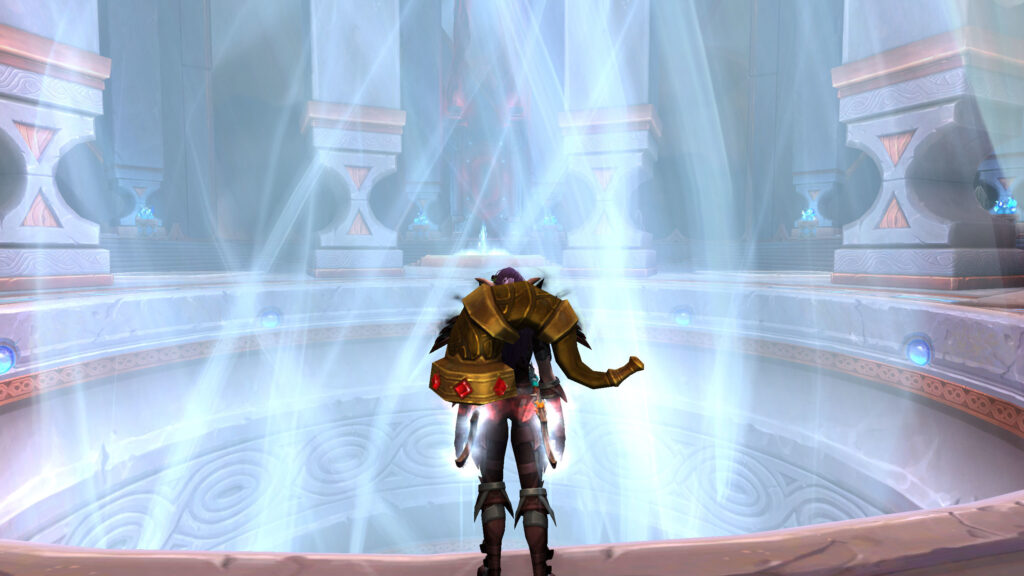
Class identity is anchored by sound as much as by design or visuals.
Boss Rooms Where Sound Became Part of the Myth
Some bosses in WoW are remembered as much for their sound effects as for their mechanics. Healers and tanks associate these audio cues with danger phases, stack mechanics, or impending wipes. Many players still hear the echoes of these iconic sounds years after the boss was relevant.
Classic examples include Heigan’s plague wave rumble, Sindragosa’s chilling breaths, and Kil’jaeden’s fiery eruptions. These audio signals warned players long before modern telegraphs existed.
Sound Effects That Communicate Threat and Survival
Combat feedback is essential in chaotic encounters, and sound cues often warn players before visuals do. The heartbeat sound when health drops dangerously low, the bubbling sound of poison stacks, or the crackling of an incoming AoE inform players of their survival status. Without these cues, combat rhythm would feel unclear.

Audio alerts guide players through danger with instinct rather than UI elements.
PvP Sound Identity: The Audio of Pressure and Burst
In PvP, sound can mean life or death. Experienced players react instantly to the sound of a stun landing, a stealth break, or an incoming burst cooldown being activated. The sound of a Rogue entering stealth is perhaps one of the most anxiety-inducing cues in the game.
Sound becomes a language for reading your opponent’s intent.
How Sound Defines Weapon Feel and Impact
Melee weapons have some of the most intricate audio profiles in WoW. A heavy axe swing feels different from a dagger stab, and maces carry a deep thud that sells their weight. Even ranged weapons like crossbows and guns have distinct firing noises that reinforce their fantasy. These details make combat tactile, connecting animations to emotional weight.
Weapon sounds give texture to the flow of combat.
The Evolution of Sound Design Across Expansions
WoW’s sound design has evolved dramatically. Early expansions leaned on simple audio cues, but modern expansions incorporate layered sound effects, ambient reverb, dynamic mixing, and adaptive tone shifts. Abilities now blend multiple components—initial cast, mid-flight travel, and impact bursts. Boss encounters also use more complex soundscapes, helping players orient their attention and react to fast-paced mechanics.
The sound team continuously refines the game’s auditory identity.
Why Sound Effects Evoke Nostalgia
Players often recall the sound of abilities more vividly than the visuals. The emotional attachment comes from repetition—pressing the same spell hundreds or thousands of times over the years. A single sound can trigger memories of entire expansions, raids, or PvP seasons. Hearing old ability sounds immediately transports players to older versions of Azeroth.

Sound is memory, and WoW’s audio history is rich with emotional anchors.
The Importance of Audio Clarity in Modern Gameplay
With faster combat pacing, more visual particles, and larger group activities, audio clarity became crucial. Blizzard balances sound mixing to ensure essential cues rise above noise—interrupt alerts, major abilities, and player hits must be noticeable even in chaotic encounters. Sound clarity helps players avoid information overload.
Combat sound design is as much about subtraction as addition.
Conclusion
The sound effects of World of Warcraft are some of the most iconic in gaming history because they blend emotion, identity, rhythm, and combat clarity. They define the feel of each class, guide players through danger, and reinforce the fantasy of battle in Azeroth. From nostalgic ability cues to modern cinematic audio design, WoW’s soundscape remains a powerful and essential part of the experience—shaping every cast, strike, and victorious moment.
Sound defines the heartbeat of Warcraft combat, and the echoes of these iconic effects will resonate with players for years to come.
Leave a Reply